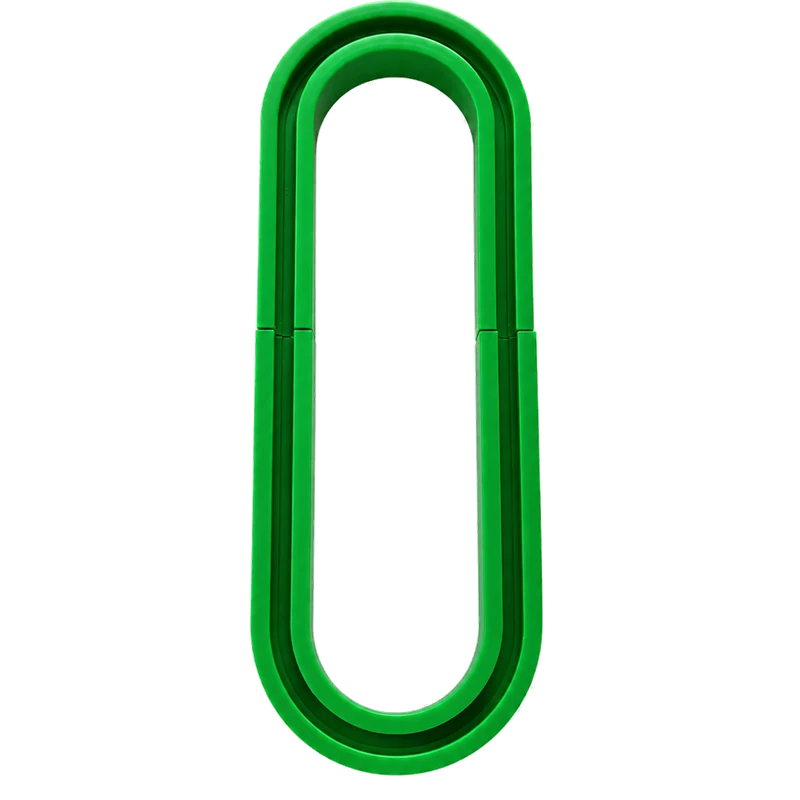
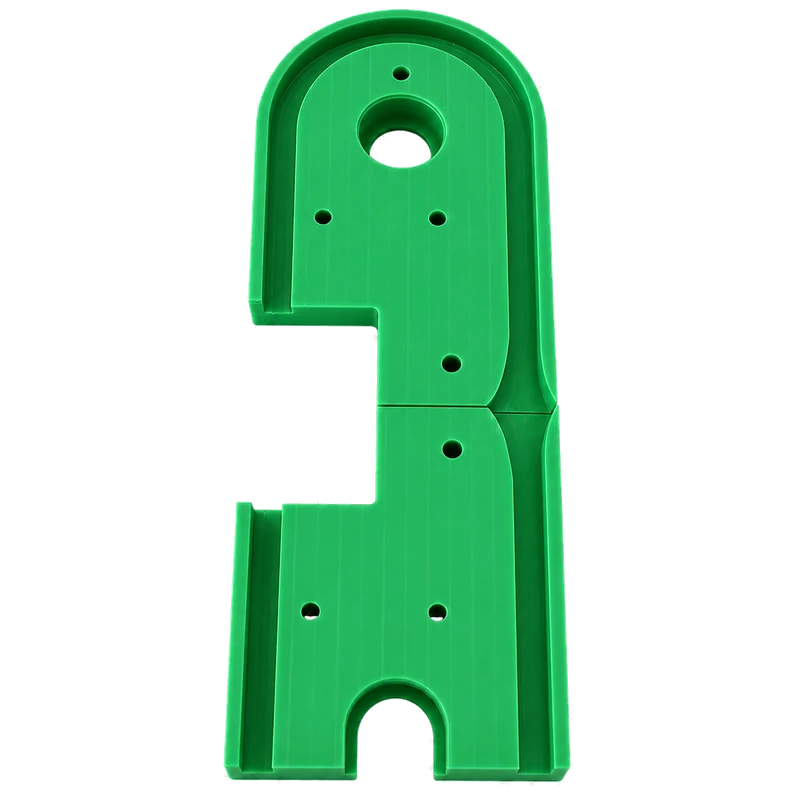
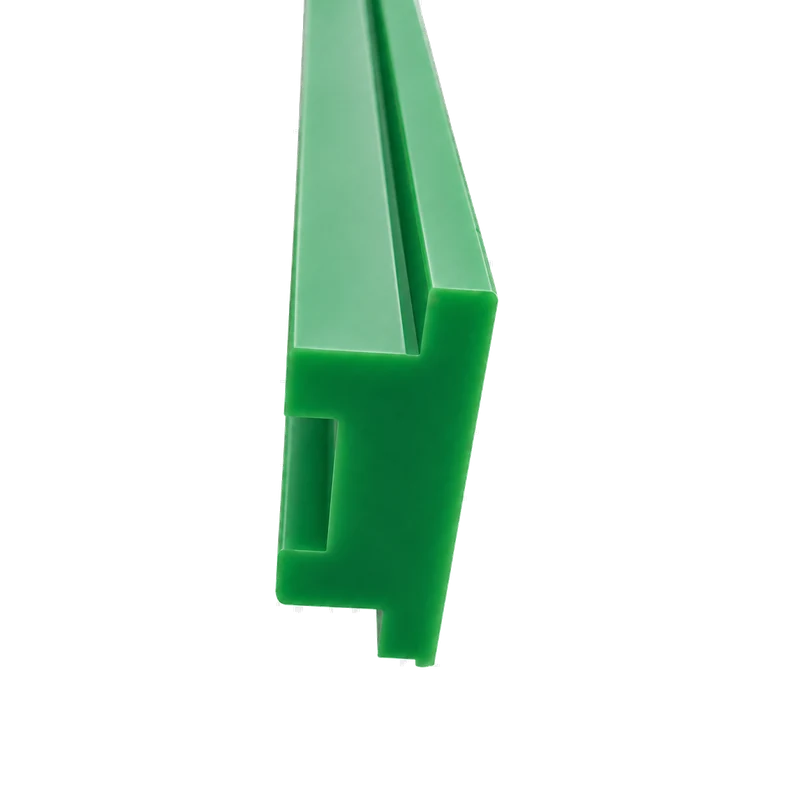
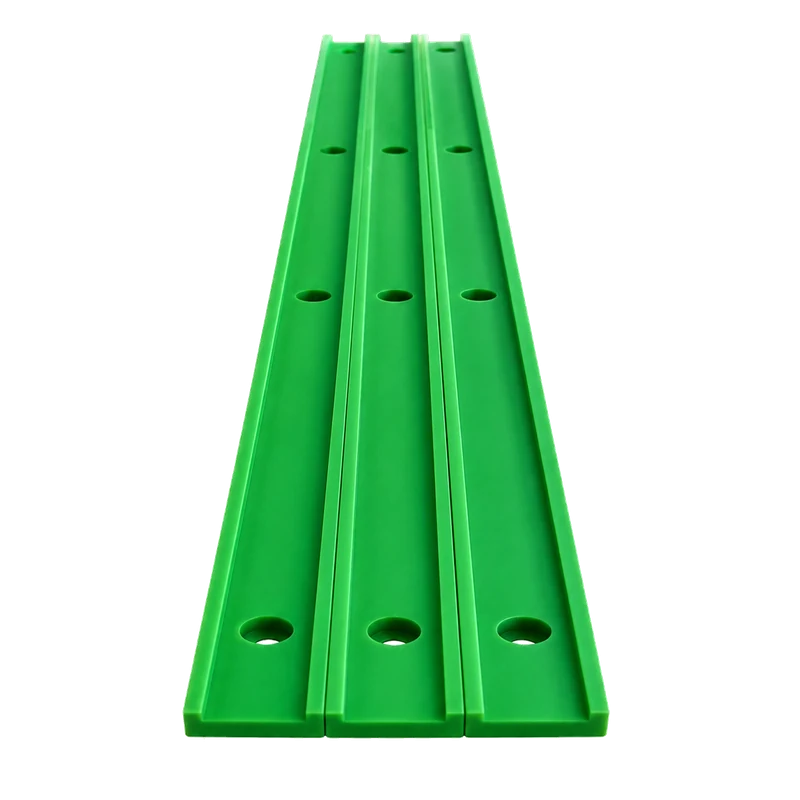
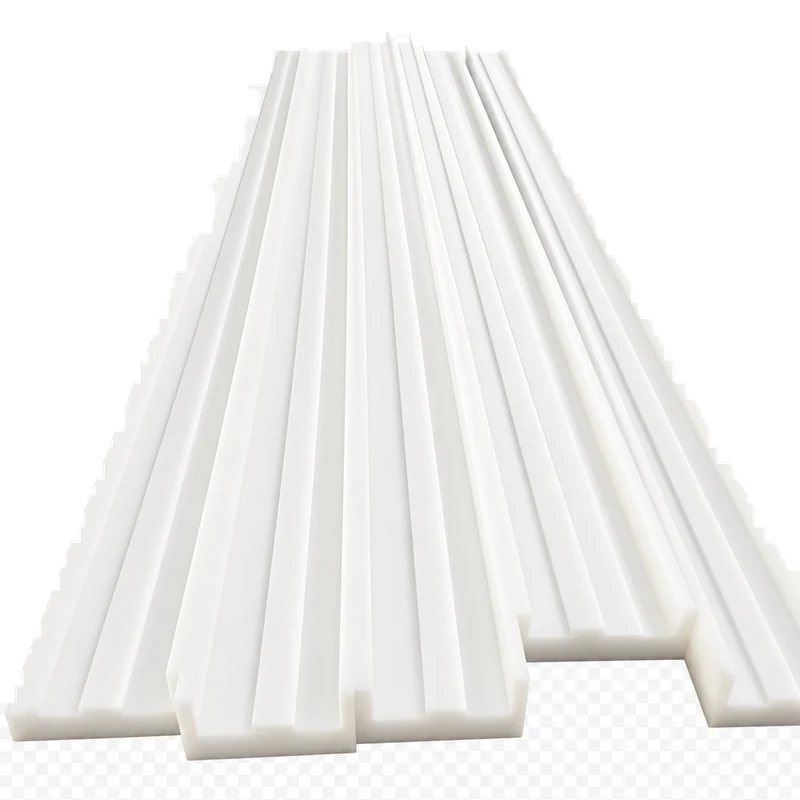
Custom UHMWPE Conveyor Guide Rails are used in conveyor systems to guide chains, bottles, cans, boxes and moving components during production. Compared with metal guide parts, UHMWPE guide rails provide a smoother sliding surface, lower friction and better wear resistance in continuous handling environments.
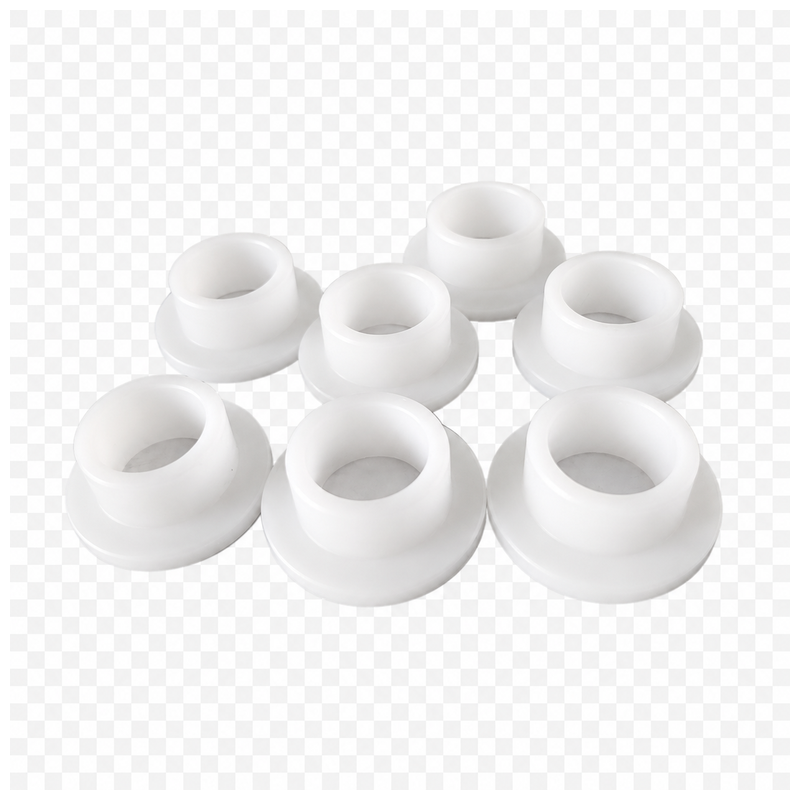
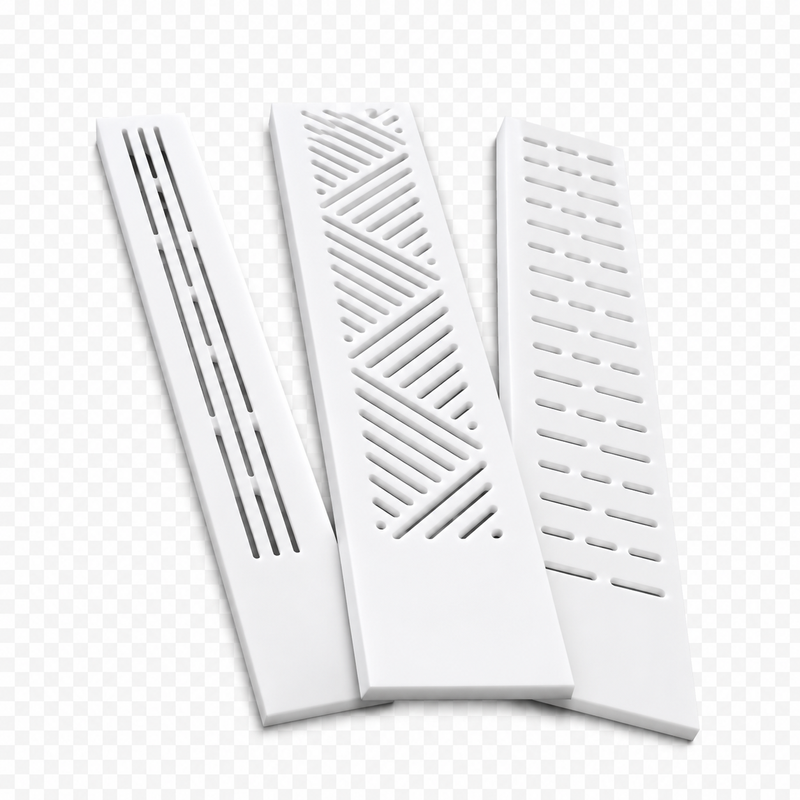
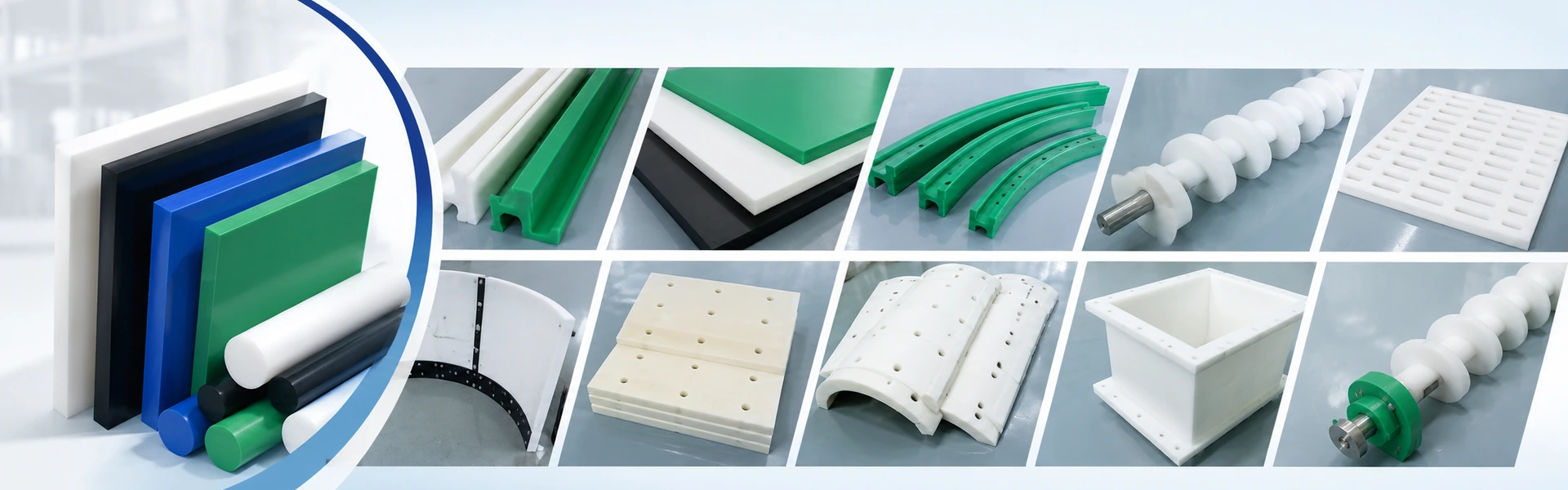
These guide rails can be produced as straight profiles, curved rails, chain guide tracks, wear strips and CNC-machined special shapes. They are commonly used in packaging lines, beverage filling lines, food processing equipment, logistics conveyors and automatic production systems.
Why Choose UHMWPE Guide Rails
UHMWPE is selected for conveyor guide rails because it combines wear resistance, impact resistance and low-friction performance. It helps reduce chain noise, protect conveyed products and improve running stability in high-frequency production lines.
Main advantages:
- Low friction surface for smoother conveyor movement
- Good wear resistance for long-term sliding contact
- Impact-resistant material for industrial handling systems
- Moisture-resistant and easy to clean
- Can be machined into straight, curved and special profiles
- Suitable for replacement parts and custom conveyor projects
Common Product Types
| Type | Description |
|---|---|
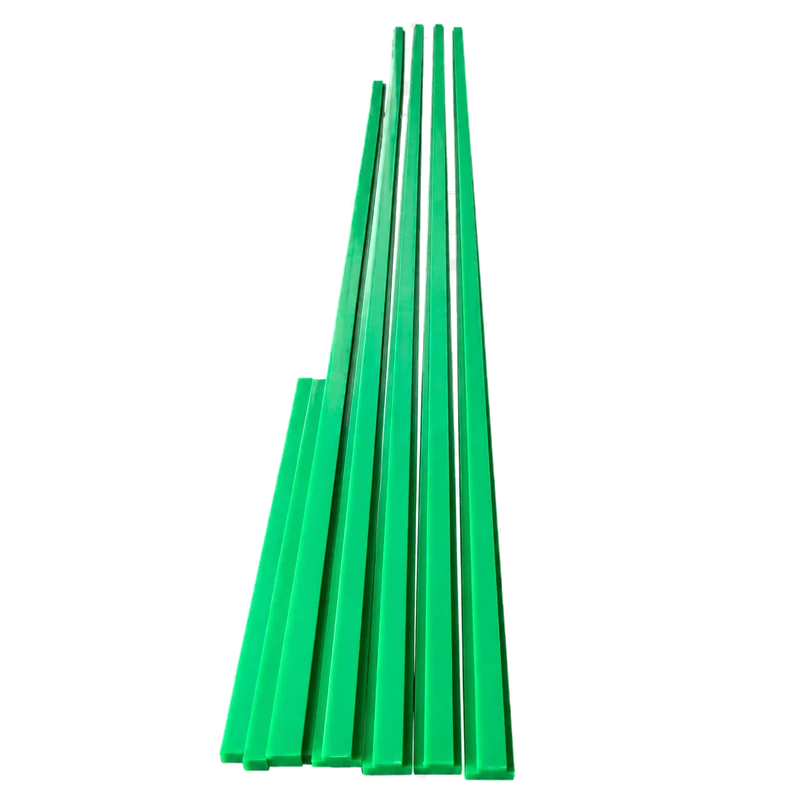
| Straight UHMWPE Guide Rails | Used for standard conveyor side guiding and chain support |
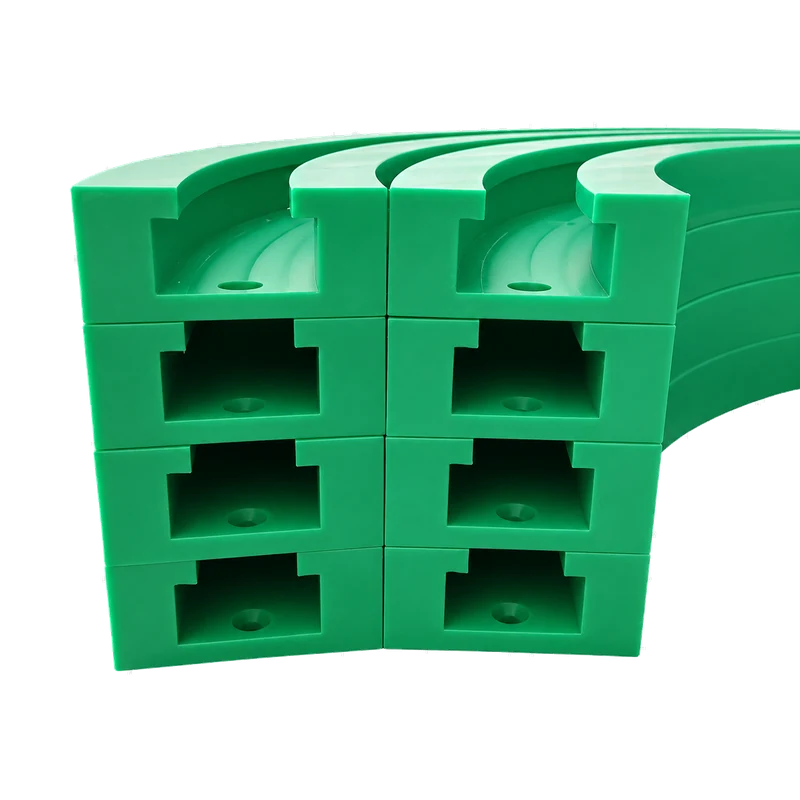
| Curved UHMWPE Guide Rails | Used for turning sections of conveyor lines |
| UHMWPE Chain Guides | Used to support and guide conveyor chains |
| UHMWPE Wear Strips | Used as sliding strips or protective wear parts |
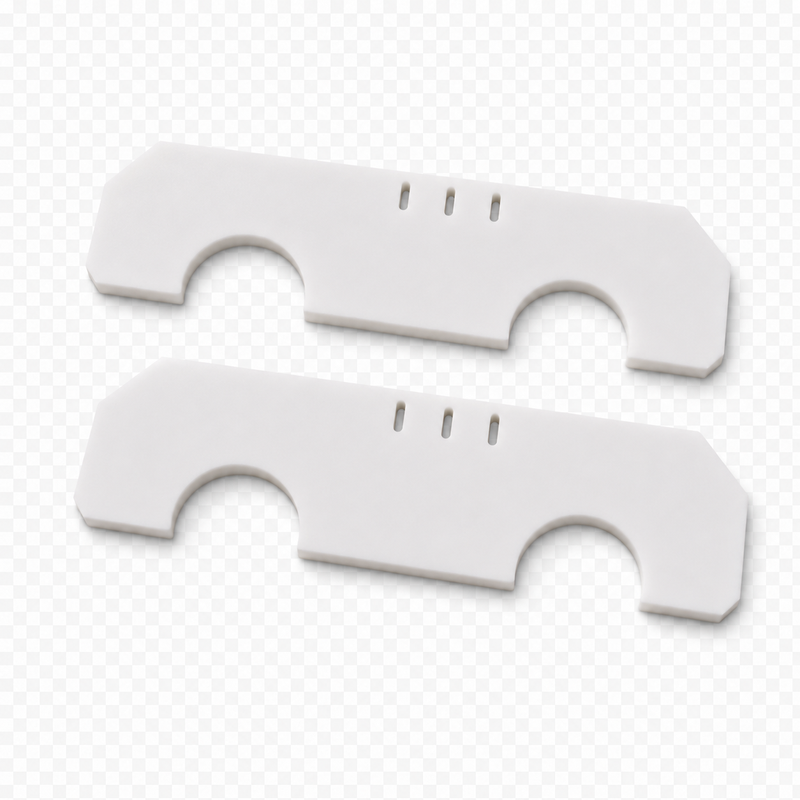
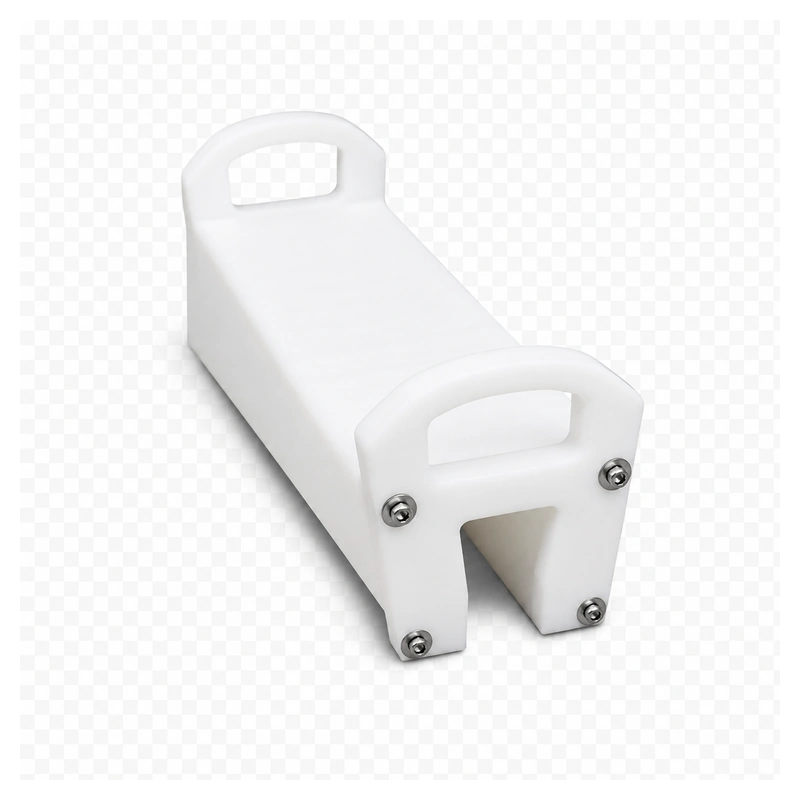
| CNC-Machined UHMWPE Profiles | Made according to samples, drawings or machine structure |
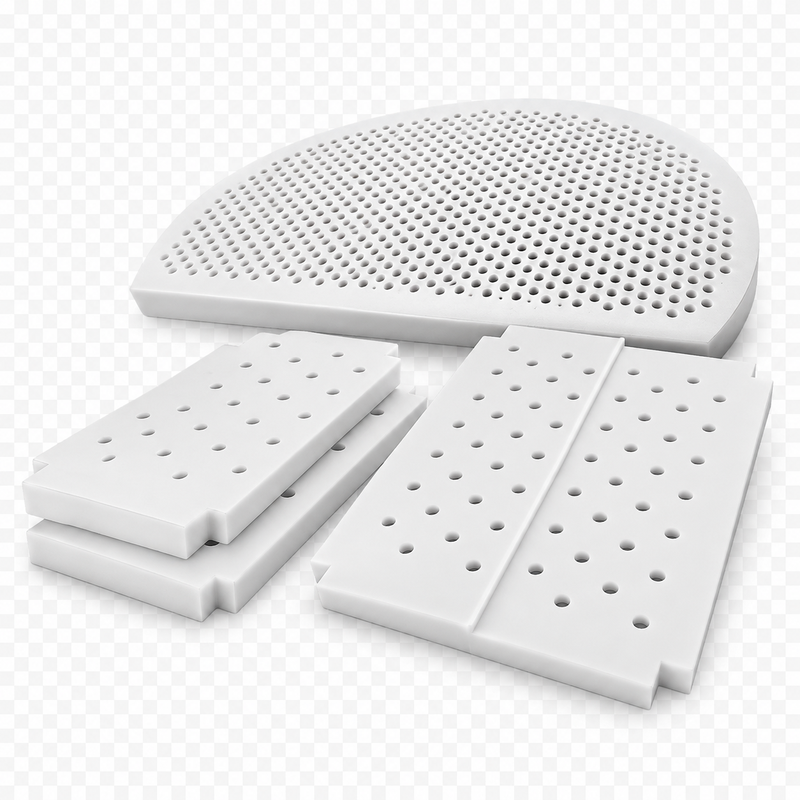
| UHMWPE Guide Rails with Holes | Pre-drilled for easy installation and replacement |
Custom Manufacturing Options
We can produce UHMWPE guide rails according to your drawing, sample or machine installation requirements. Custom options include:
- Length, width and thickness
- Straight or curved shape
- Hole position and diameter
- Groove, slot and profile structure
- Color matching
- Cut-to-size or CNC-machined parts
- Small batch sample order or bulk production
For replacement parts, buyers can send photos, dimensions or original samples for confirmation before production.
Typical Applications
UHMWPE conveyor guide rails are widely used in:
- Beverage bottling lines
- Food packaging machines
- Chain conveyor systems
- Filling and labeling equipment
- Logistics sorting conveyors
- Pharmaceutical packaging lines
- Automated production equipment
- Plastic, carton and can handling systems
What Information Should Buyers Send Before Quotation?
To quote quickly, please send:
- Product drawing or sample photo
- Length, width and thickness
- Required shape: straight, curved, slotted or drilled
- Hole position and installation details
- Color and quantity
- Application or equipment type
- Destination country or port
FAQ – UHMWPE Conveyor Guide Rails
1. What are UHMWPE conveyor guide rails used for?
They are used to guide chains, bottles, cans, cartons and other moving products in conveyor systems. They help reduce friction, wear and noise during continuous operation.
2. Can you make guide rails according to drawings?
Yes. UHMWPE guide rails can be customized by drawing, sample or installation dimensions. Hole positions, grooves, curves and profile shapes can be machined according to project requirements.
3. What colors are available?
Common colors include green, white, black and blue. Custom colors can be produced depending on order quantity and material requirements.
4. Are curved UHMWPE guide rails available?
Yes. Curved guide rails can be supplied for turning conveyor sections. Buyers should provide the radius, width, thickness and installation drawing for confirmation.
5. Can UHMWPE guide rails replace metal guide parts?
In many conveyor and sliding applications, UHMWPE can replace metal parts to reduce friction, protect chains and lower noise. Final selection should depend on load, temperature, speed and installation structure.
6. What information is needed for a custom order?
Please provide drawings, dimensions, hole positions, quantity, color and application details. If no drawing is available, clear photos and sample measurements can also help us confirm the design.